


Art in the Desert Garden: Incorporating Sculptures, Pathways, and Focal Points
- Deborah Munoz-Chacon
- Aug 10
- 4 min read
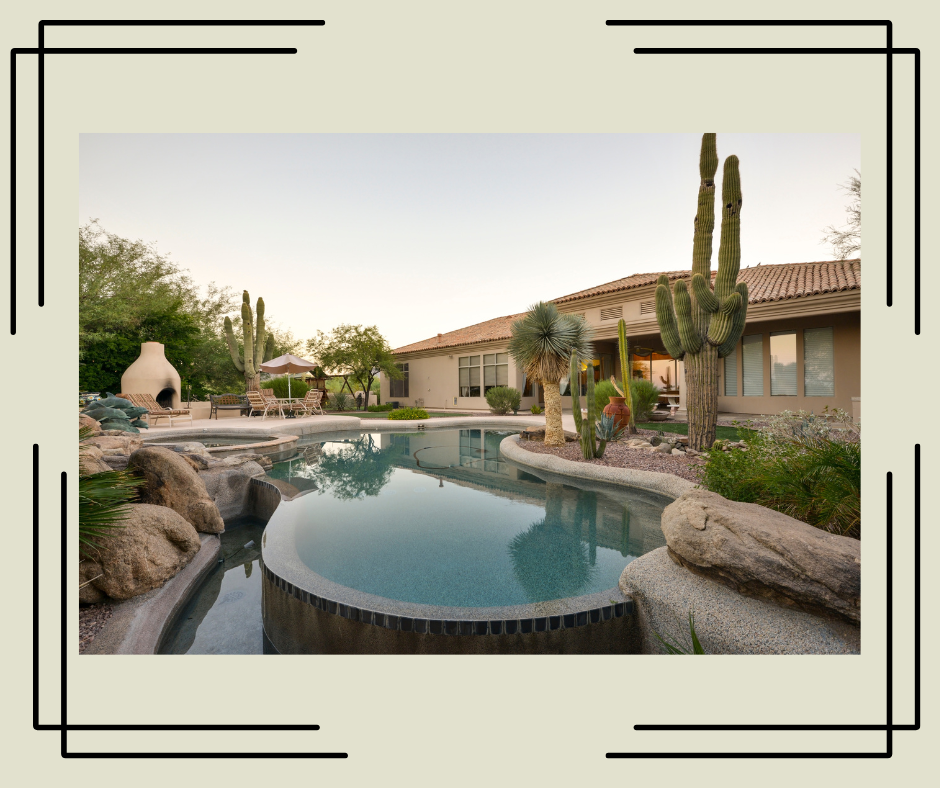
Desert landscapes offer more than just water-conscious solutions—they’re living canvases. With their stark beauty, sculptural plants, and wide-open spaces, desert gardens invite bold artistic expression. For homeowners seeking to transform their outdoor spaces into personal sanctuaries, integrating artful elements—sculptures, winding pathways, focal features—brings personality, structure, and soul. This isn’t just about decoration; it’s about designing with intention, anchoring movement and emotion in environments where every element must count. Through balance, texture, and cultural resonance, desert gardens become both serene and expressive.
Sculpture as Focal Art
Sculptures in desert gardens aren’t just eye candy—they’re spatial anchors. Whether you choose abstract forms, natural materials, or representational figures, sculpture adds a sense of purpose and punctuation. Especially in xeriscapes where foliage is sparse, an artful form can act as a visual pause, inviting you to look closer or move deeper into the space. Positioning these pieces near seating areas or sightlines from windows enhances their impact. Even living elements like sculptural shapes of succulents offer natural focal points that echo the geometric beauty of sculptural art.
Pathways & Textural Flow
Movement through a desert garden should feel intuitive—not dictated. Pathways provide that rhythm, guiding foot traffic while framing plantings and vistas. Winding garden pathway lined with river rocks softens the hard edges of arid terrain and adds a tactile transition between garden zones. Using decomposed granite, pavers, or flagstone interspersed with groundcovers can make even utilitarian walkways feel intentional and artistic. Curved paths are especially effective in desert environments, encouraging slow exploration and surprise.
Design Visualization with AI Tools
Not everyone can picture what a desert sculpture will look like framed by agave or set against gravel and ocotillo. That’s where digital tools can help bring inspiration to life before you even start planting. With platforms like AI art prompts, you can generate desert-themed scenes that explore everything from sculpture placement to color harmony and layout structure. It’s a practical way to experiment—especially for visual thinkers or homeowners who want to play with ideas before committing. Whether you're imagining a bold metal installation, AI-generated visuals give form to feeling.
Cultural & Metal Art Features
Few things ground a garden more than features that nod to place and culture. Incorporating regionally inspired elements like pottery, native symbolism, or rustic sculpture gives your space authenticity. Durable materials matter—desert metal yard art offers high impact with zero water maintenance, and resists fading or warping under extreme sun. Think of them not as accessories, but as architecture: intentional pieces that structure the garden while telling a story. These items pair beautifully with minimal planting beds, creating strong silhouettes against the open sky.
Landscape Structure & Color Palette
Desert gardens benefit from constraint. Limited water, stark sunlight, and coarse textures force clarity in design. Structure is key—hard lines, grouped plantings, and contrasting materials help organize the space. Equally important is the palette. Choosing an earthy palette and neutral tones allows both sculpture and plant material to harmonize with the terrain rather than clash against it. Rust, sand, sage, bone—these tones keep the garden calm and elegant. A single pop of color, like cobalt or burnt orange, used sparingly, can draw the eye toward a sculpture or key transition zone.
Visual Balance & Plant Texture
Plantings in the desert must work double duty—they provide form and texture where traditional blooms may be absent. A successful garden balances dense areas of interest with expanses of space. Composing plant textures is like mixing brushstrokes—feathery muhly grasses with bold yuccas create contrast and motion. Massing small-leafed groundcovers against spiky verticals (like red yucca or sotol) establishes rhythm and defines microzones. Art placed among these plantings becomes a natural extension rather than an afterthought.
Iconic Desert Sculpture Inspiration
If you're wondering how far you can push desert art, look to community-scale installations for inspiration. The large-scale sculptures in Galleta Meadows in California’s Anza-Borrego Desert offer a dramatic example of how metal art and open space interact. While most homeowners won’t be adding 15-foot metal dragons, the lesson holds: scale, silhouette, and setting matter more than cost. Even a modest garden can borrow these principles, using proportion and placement to create emotional impact.
Art in the desert landscape is less about excess and more about essence. It’s the well-placed sculpture that anchors a view, the subtle pathway that invites reflection, the echo of iron or clay that pays homage to the region. By grounding your desert garden in structure, balance, and meaning, you create more than beauty—you create presence. In spaces where water is scarce and detail matters, every choice counts. When done right, art isn’t the decoration of a desert—it’s its voice.
Discover how Sonoran Oasis Landscaping can transform your outdoor space with expert services tailored for commercial, HOA, and residential properties. Visit Sonoran Oasis Landscaping to learn more about their award-winning solutions and schedule a consultation!
Guest Blogger
John Dunbar


Comments